EN
EN DE
DE FR
FR ES
ES PT
PT RU
RU AR
AR TR
TR UK
UK PL
PL RO
RO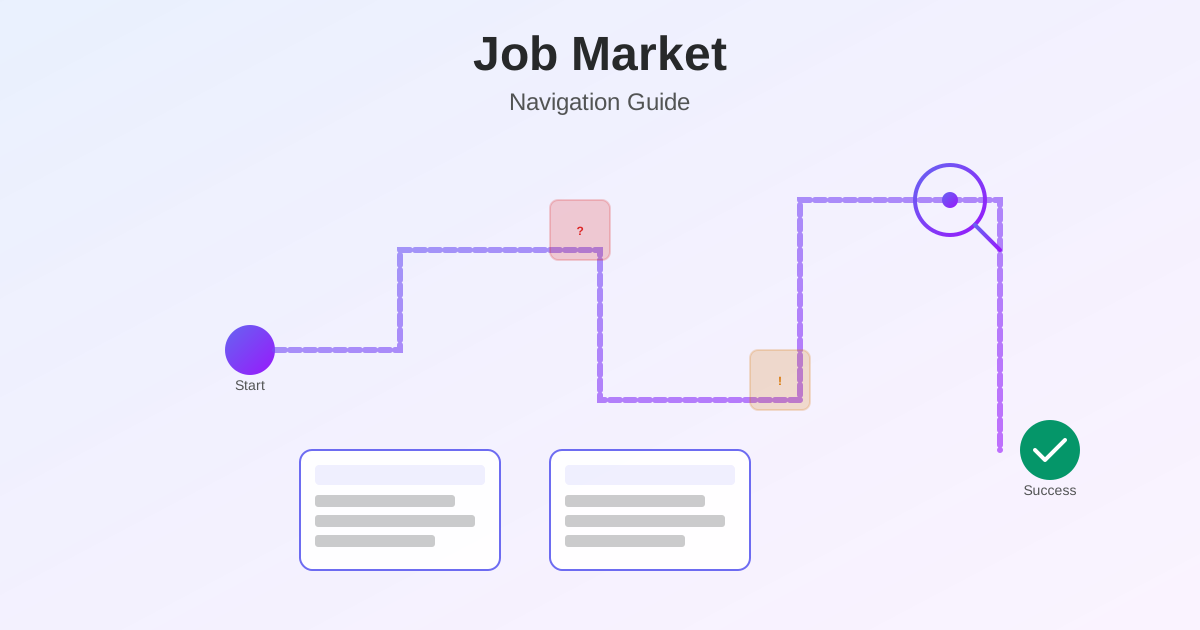
The German Job Market Maze: How International Students Can Navigate Hidden Opportunities
You arrived in Germany full of hope, armed with a degree and dreams of building your career. Months later, you're still sending applications into what feels like a void. You know you're qualified. You know there are jobs available. So why does finding the right opportunity feel like navigating a maze blindfolded?
You're not alone. International students and professionals face unique challenges in the German job market that locals never encounter. Understanding these obstacles—and learning to work around them—is the first step toward success.
Key Takeaway
The German job market has hidden rules that international candidates often don't know. 70-80% of jobs are never publicly advertised, making networking and understanding the system crucial for success.
The Hidden Challenges of Job Hunting in Germany
The Application Black Hole
In many countries, you can reasonably expect a response—even a rejection—within a few weeks. In Germany, applications often disappear into a black hole. You might wait months for a response, or never hear back at all. This isn't personal; it's a systemic issue where HR departments are overwhelmed, and German communication culture tends toward silence rather than formal rejections.
This creates anxiety for international candidates who can't tell if their applications are being considered, if they need to follow up, or if they should move on. Without understanding this cultural norm, you might waste time waiting or miss opportunities by not following up appropriately.
The Unwritten Network Requirements
Germans value personal connections and recommendations more than job boards would suggest. Many positions are filled through internal referrals or professional networks before they're even publicly posted. As an international student, you likely don't have access to these networks when you arrive.
Building professional relationships takes time, and without understanding where and how Germans network (think industry-specific events, professional associations, and alumni networks), you're at a significant disadvantage. The job you're applying for may have already been promised to someone's colleague's friend.
Language as a Double-Edged Sword
Job descriptions often state "German required" even for international companies or roles where English is the working language. This creates a catch-22: you need German to get the job, but you need a job to fully immerse yourself in German. Some employers are flexible, but many aren't, and you won't know until you apply.
Even when language isn't explicitly required, subtle expectations exist. Can you participate in team meetings? Understand cultural nuances in workplace communication? Navigate office politics? These concerns—often unspoken—influence hiring decisions.
Qualification Recognition Challenges
Your international degree might be equivalent to a German qualification, but employers don't always recognize this immediately. They might not understand your university's ranking, your grading system, or how your coursework compares to German standards. You could be overqualified for positions but appear underqualified due to unfamiliar credentials.
Without official recognition (Anerkennung) or clear explanation of your qualifications, your applications might be automatically filtered out, regardless of your actual capabilities.
Visa and Work Authorization Confusion
Understanding your work rights as an international student or graduate is complex. Can you work full-time? How long can you stay after graduation? What about the 18-month job seeker visa? These questions create stress and may limit the opportunities you pursue.
Employers also share this confusion. Some avoid international candidates entirely due to perceived bureaucratic complexity, even when the process is straightforward. Others might offer you positions that don't align with your visa status, creating potential legal issues.
The "Hidden" Job Market
Important
If you're only applying through job boards, you're missing 70-80% of available opportunities. The hidden job market in Germany requires a different approach.
Estimates suggest that 70-80% of jobs in Germany are never publicly advertised. They're filled through:
- Internal promotions - Companies often promote from within
- Employee referrals - Personal recommendations carry significant weight
- Direct applications to companies - Proactive outreach to companies you're interested in
- Recruitment agencies - Specialized agencies have access to unlisted positions
- University career services - Alumni networks and career centers
- Professional networking events - Industry meetups and conferences
If you're only applying through job boards, you're seeing a fraction of available opportunities. But accessing the hidden job market requires insider knowledge most international candidates don't have when they arrive.
Cultural Misunderstandings in Interviews
German interview culture differs significantly from other countries. Germans value directness, facts over personality, and detailed technical discussions. What might be seen as confident self-promotion in your home country could be viewed as arrogance. What feels like a friendly conversation might actually be a rigorous technical assessment.
Without understanding these cultural nuances, even highly qualified candidates can fail interviews simply because they're not communicating in the way German employers expect.
The Time Pressure Problem
International students often face time constraints that locals don't. Visa deadlines, graduation timelines, and family expectations create pressure to find employment quickly. This urgency can lead to: - Accepting positions that don't match your career goals - Missing better opportunities because you accepted the first offer - Stress that affects your performance in interviews - Applications that feel rushed or desperate
Solutions: How to Navigate Successfully
While these challenges are real, they're not insurmountable. Successful international job seekers have found ways to navigate this maze:
1. Leverage Technology for Job Discovery
Instead of manually searching dozens of job boards, use AI-powered tools that aggregate opportunities from multiple sources, filter by your qualifications, and identify positions you might miss. These tools can also help you understand which companies actively hire international candidates.
2. Optimize Your Application Materials
Ensure your CV and cover letters follow German standards exactly. Even small formatting errors can cause rejection. Use tools that automatically format your documents to German specifications, translate professionally, and optimize for ATS systems.
3. Build Your Network Strategically
Join professional associations related to your field, attend industry events, and leverage LinkedIn strategically. Don't just connect—engage. Comment on posts, share relevant content, and reach out to professionals in your field for informational interviews.
4. Understand the Recognition Process
Research whether your qualifications need official recognition (Anerkennung). Some fields require it; others don't. Understanding this saves time and ensures you're applying to appropriate positions.
5. Master the Follow-Up
German communication norms mean you may need to follow up more proactively than you're comfortable with. Learn the appropriate ways to check on application status without being pushy.
6. Prepare for Cultural Interview Differences
Study German business culture, practice direct communication styles, and prepare detailed examples of your work. Focus on measurable achievements rather than personality traits.
7. Be Patient but Proactive
The German job market moves slowly. A typical hiring process can take 2-3 months. Use this time to improve your German, expand your network, and continue applying to multiple positions.
The Role of Smart Tools
Pro Tip
Modern job search platforms designed for international candidates can dramatically reduce these challenges. They can help you access the hidden job market and avoid common pitfalls.
Modern job search platforms designed for international candidates can dramatically reduce these challenges. They can:
- Match you with companies that hire internationally - Save time by focusing on open-minded employers
- Format your applications to German standards automatically - Ensure your documents meet local expectations
- Translate your materials professionally - Get accurate business German translations
- Help you understand visa requirements - Navigate work authorization complexities
- Connect you with other international job seekers - Build your network in Germany
Your Journey Forward
Navigating the German job market as an international candidate requires patience, persistence, and understanding. The maze exists, but it's not impossible to navigate. By recognizing these hidden challenges and preparing strategically, you can turn your international background into a strength rather than a disadvantage.
Remember, thousands of international students successfully find employment in Germany every year. They're not more qualified than you—they've simply learned to navigate the system. With the right tools, knowledge, and approach, you can join them.
The job market maze doesn't have to be a source of frustration. It can be a learning experience that makes you a more resilient, culturally aware professional. Start by understanding these hidden challenges, and take the first step toward finding the opportunity you've been seeking.